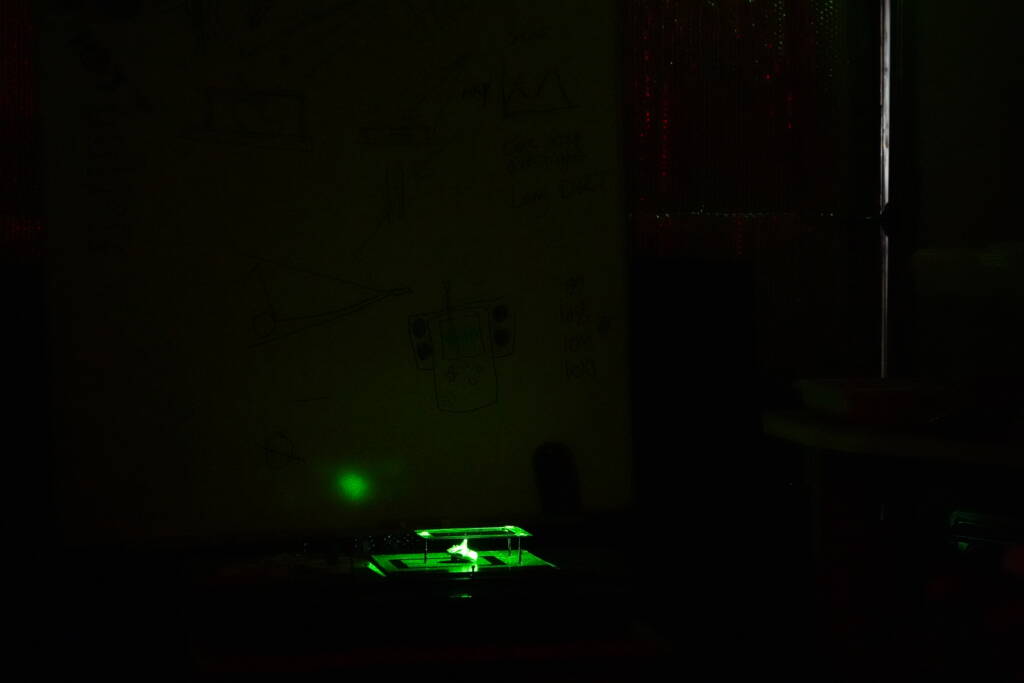
A hologram is a recording of an interference pattern that can reproduce a 3D light field using diffraction. In general usage, a hologram is a recording of any type of wavefront in the form of an interference pattern. It can be created by capturing light from a real scene, or it can be generated by a computer, in which case it is known as a computer-generated hologram, which can show virtual objects or scenes. Optical holography needs a laser light to record the light field. The reproduced light field can generate an image that has the depth and parallax of the original scene.
A hologram is usually unintelligible when viewed under diffuse ambient light. When suitably lit, the interference pattern diffracts the light into an accurate reproduction of the original light field, and the objects that were in it exhibit visual depth cues such as parallax and perspective that change realistically with the different angles of viewing. That is, the view of the image from different angles shows the subject viewed from similar angles.
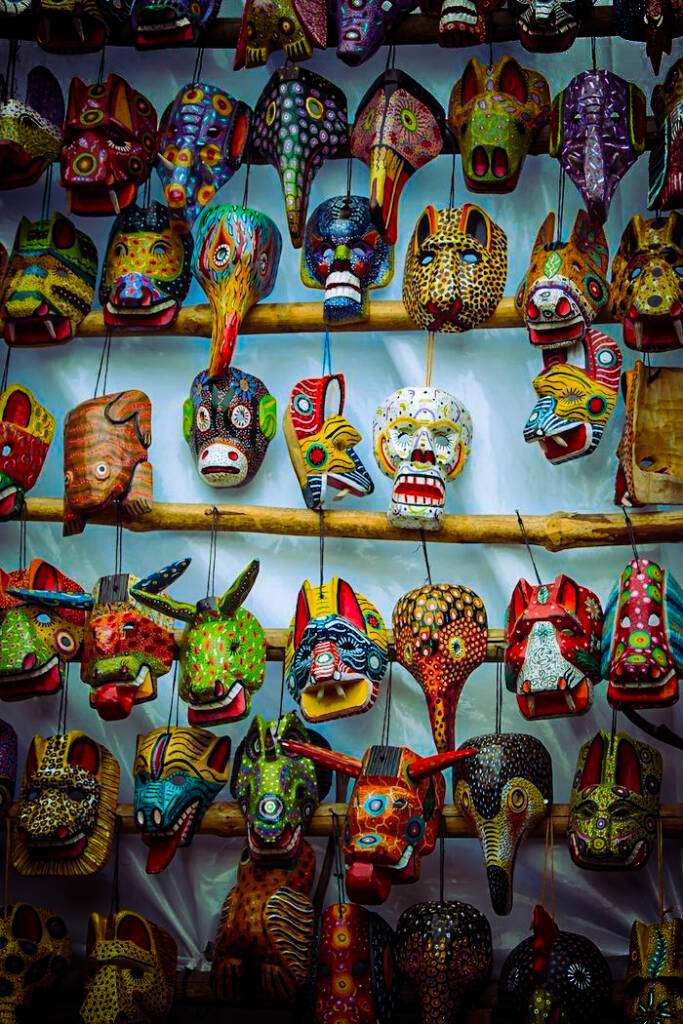
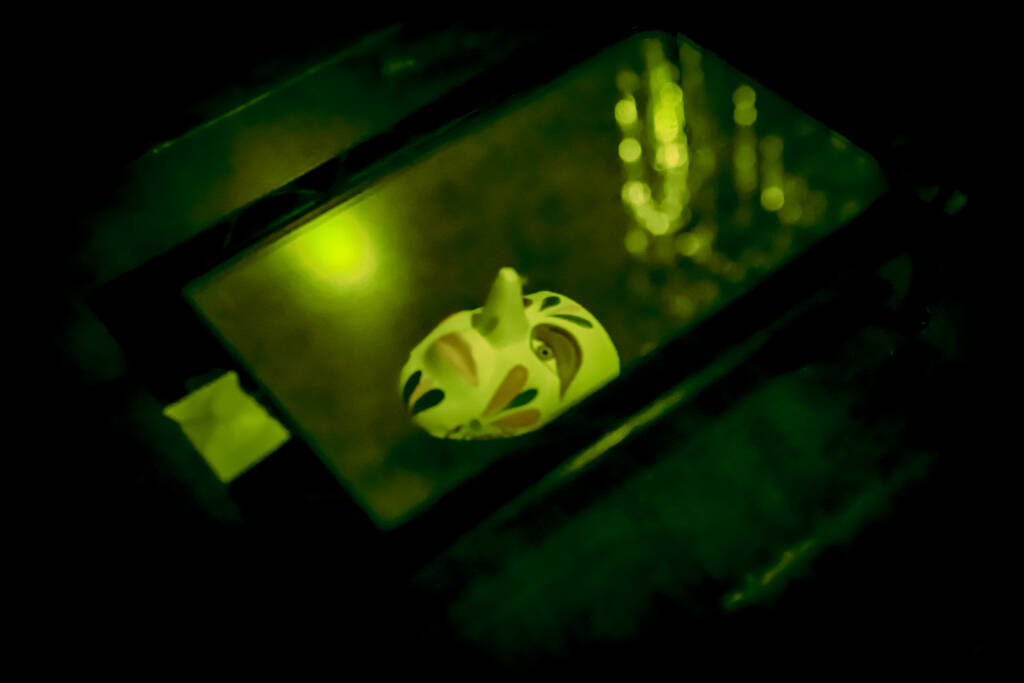
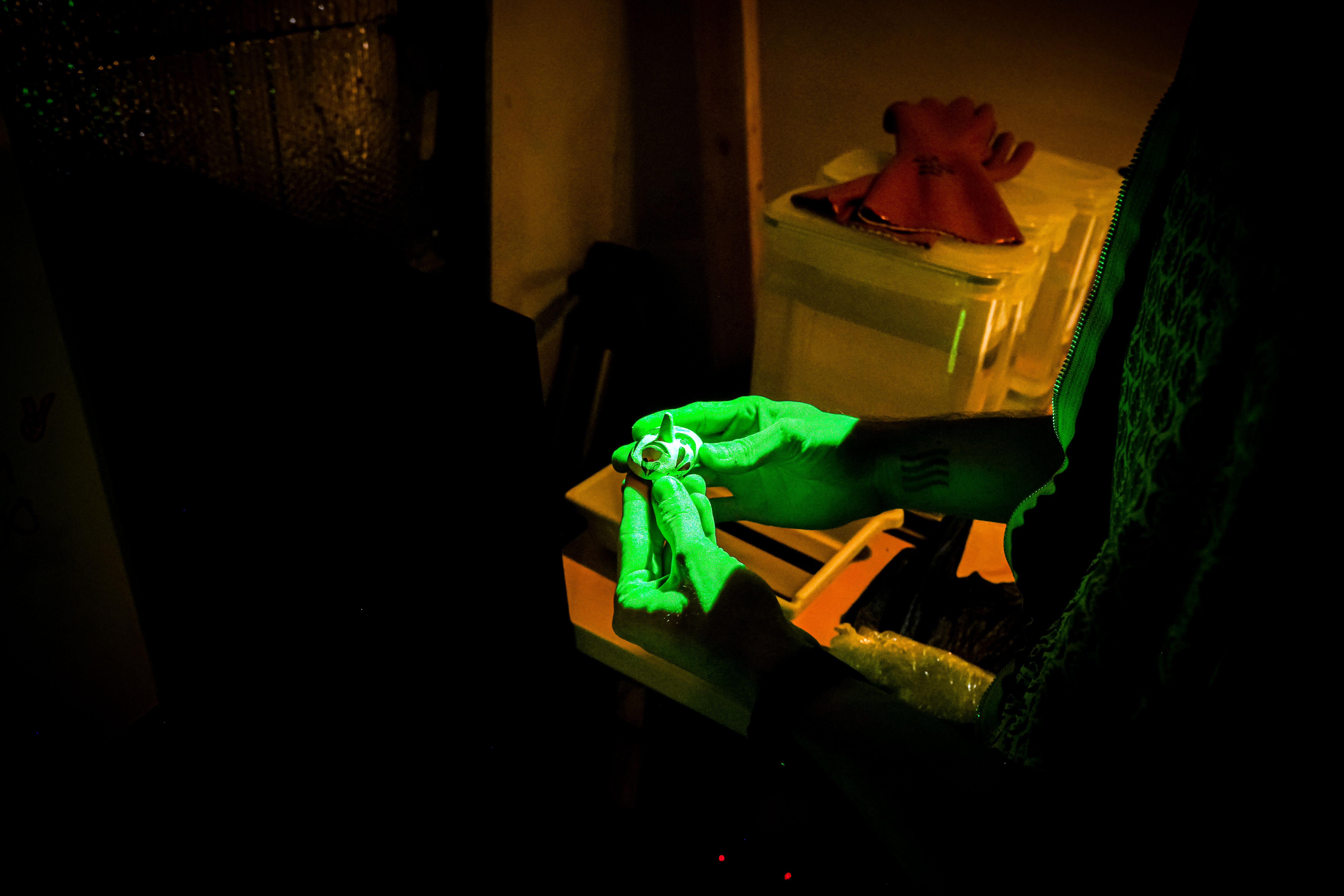
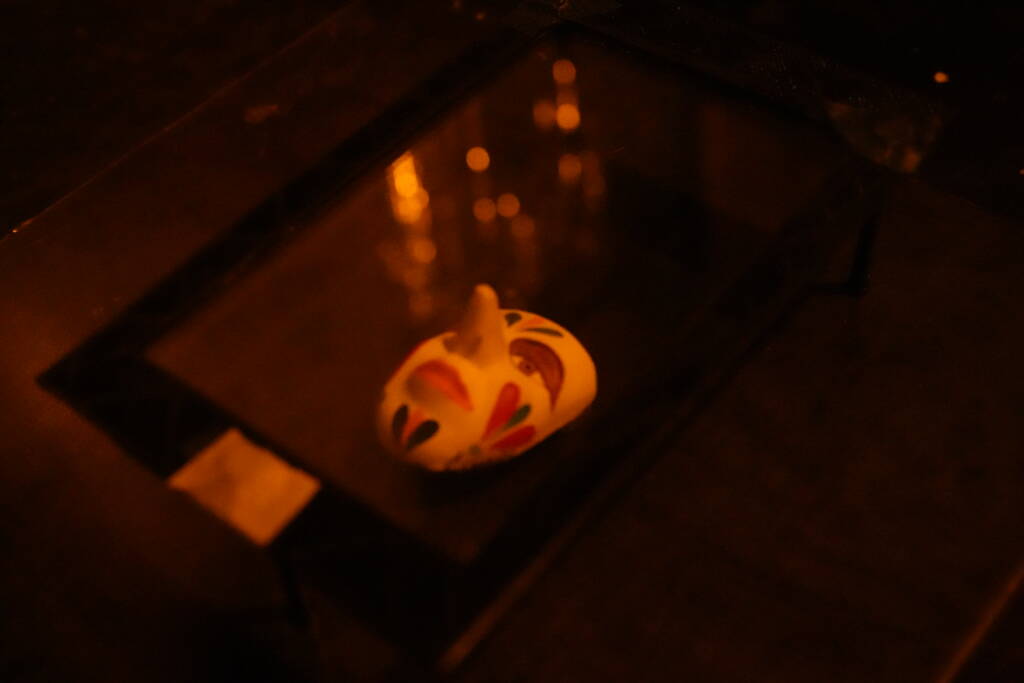
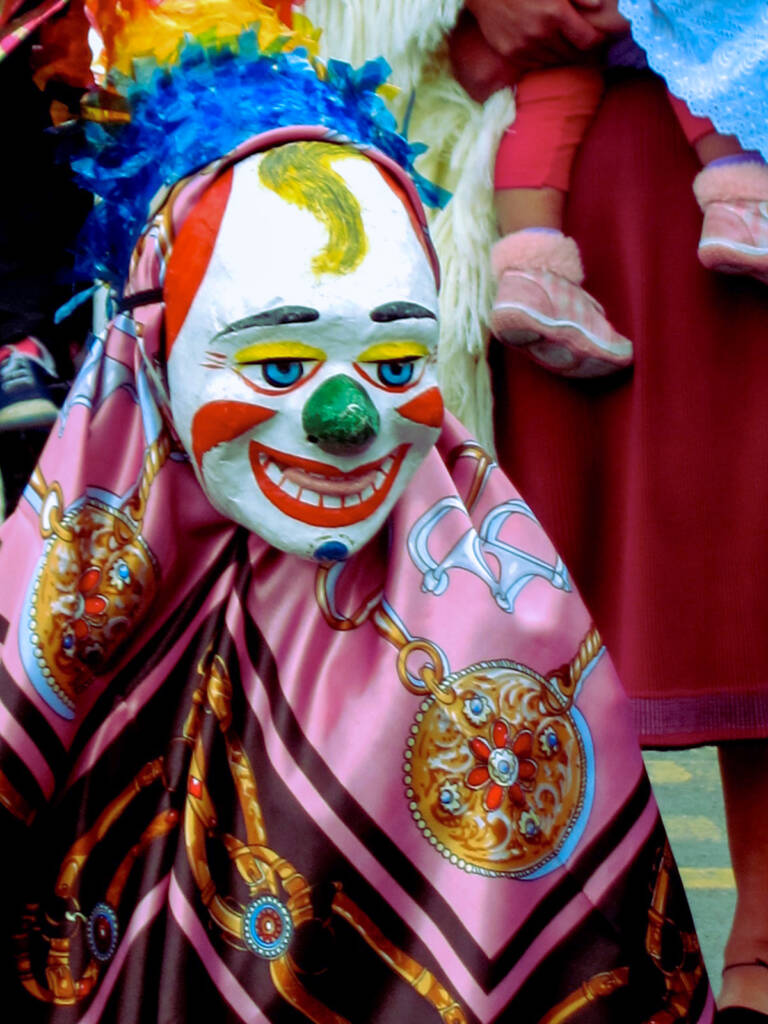
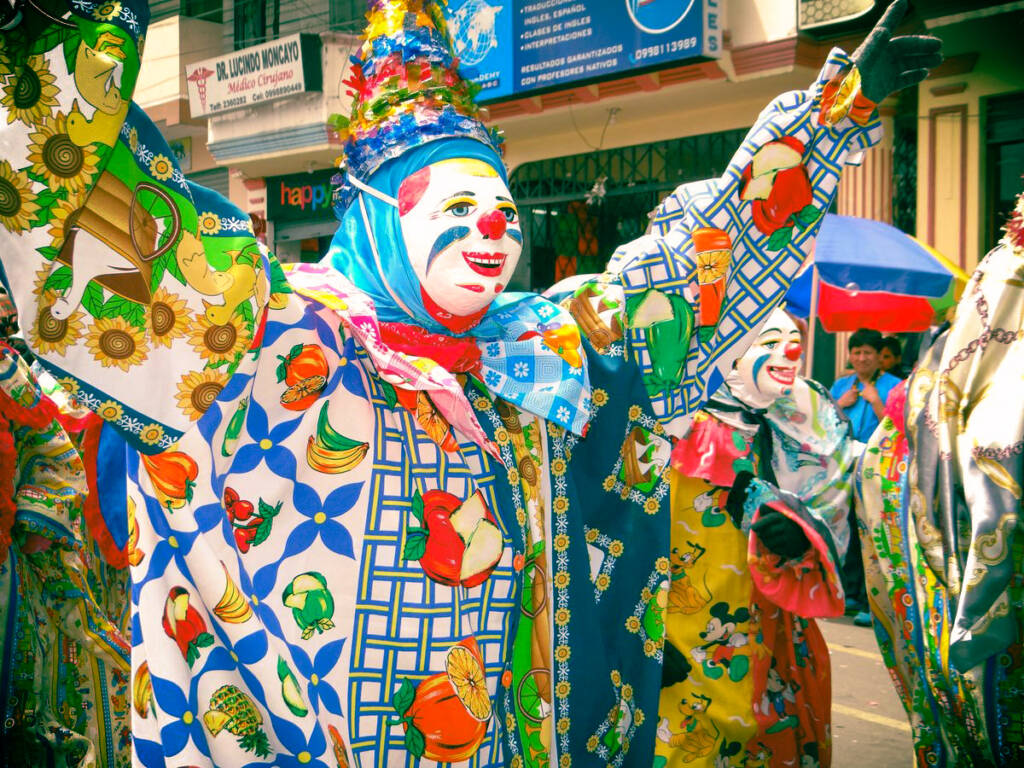
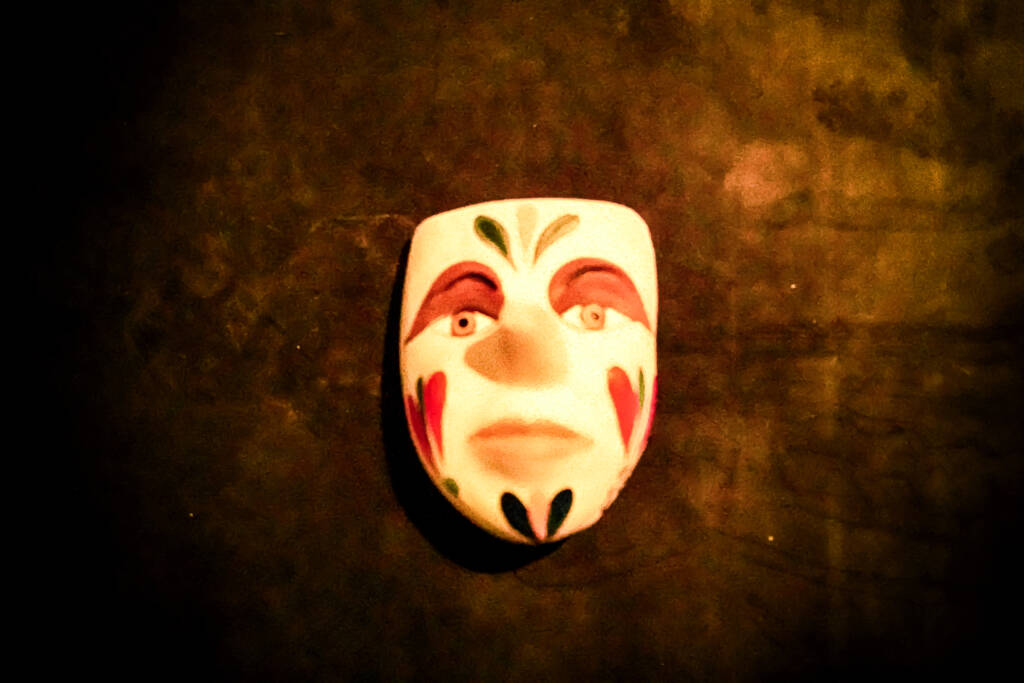
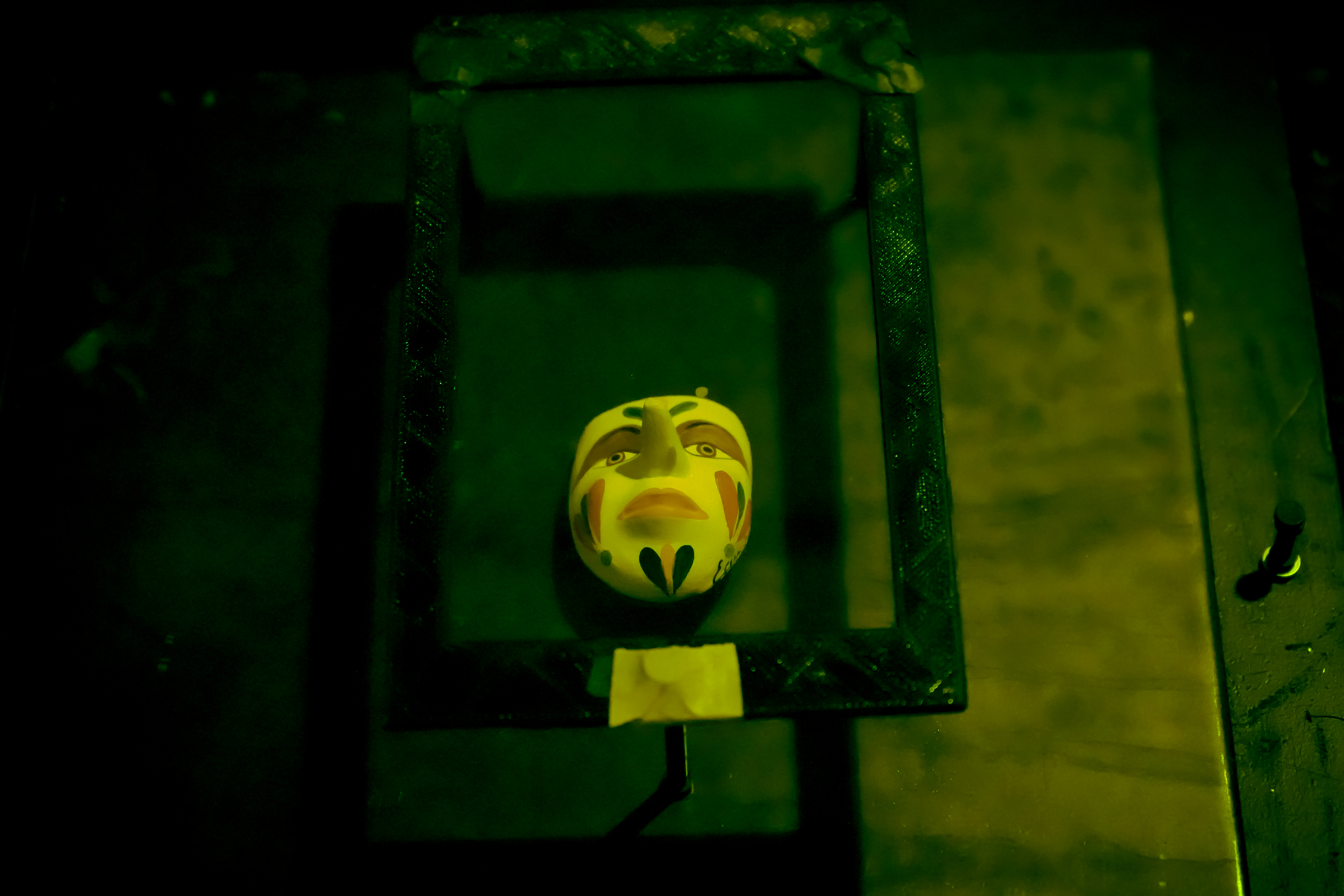
In my artistic exploration of holography, I chose to work through two distinct creative processes. The first begins with a physical subject: a handcrafted carnival mask made by an artisan from Otavalo, Ecuador, drawing from masks traditionally used in local festivities and rituals.
This specific mask is the artisan’s own interpretation—produced for sale in the craft market—yet it carries the visual language of celebration, performance, and ceremonial identity. By bringing it into holography, I shift it from an object of commerce and tradition into a perceptual presence: a light-record that can be revisited from multiple angles, where depth, absence, and apparition become part of how the mask is “read.”
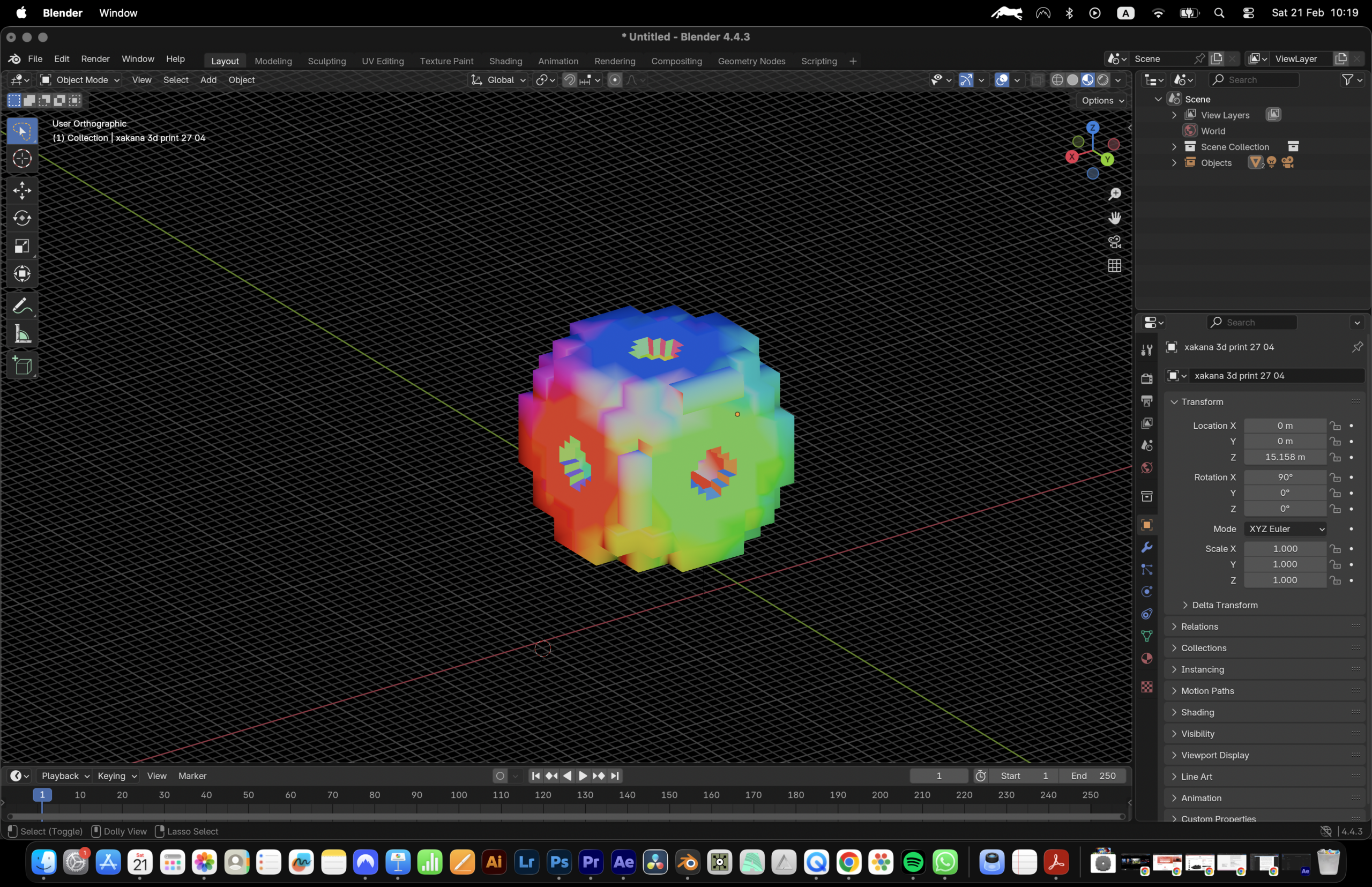
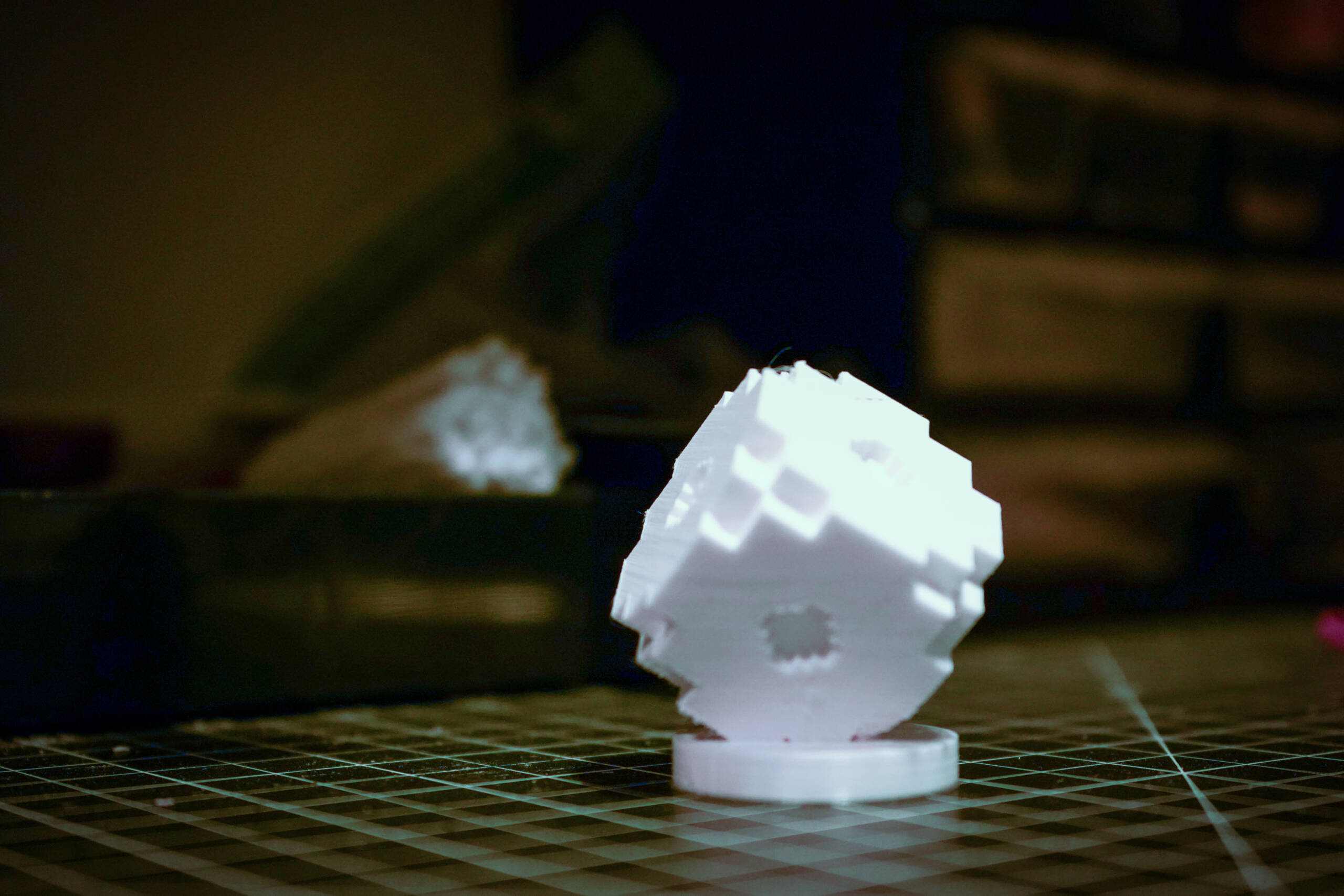
The second process moves in the opposite direction: from symbol to construction. Starting from the idea of the Chakana (the Andean cross), I developed a 3D model by translating and abstracting the concept from its 2D form into a volumetric structure. That digital model was then materialized as a physical object through 3D printing, and only after becoming tangible did it enter the analog DCG holography workflow.
This path—concept → digital geometry → physical artifact → light field—lets me test how ancestral symbolic systems can be re-encoded through contemporary imaging and fabrication, and how meaning changes when a form is carried from flat icon to object, and finally to holographic light.
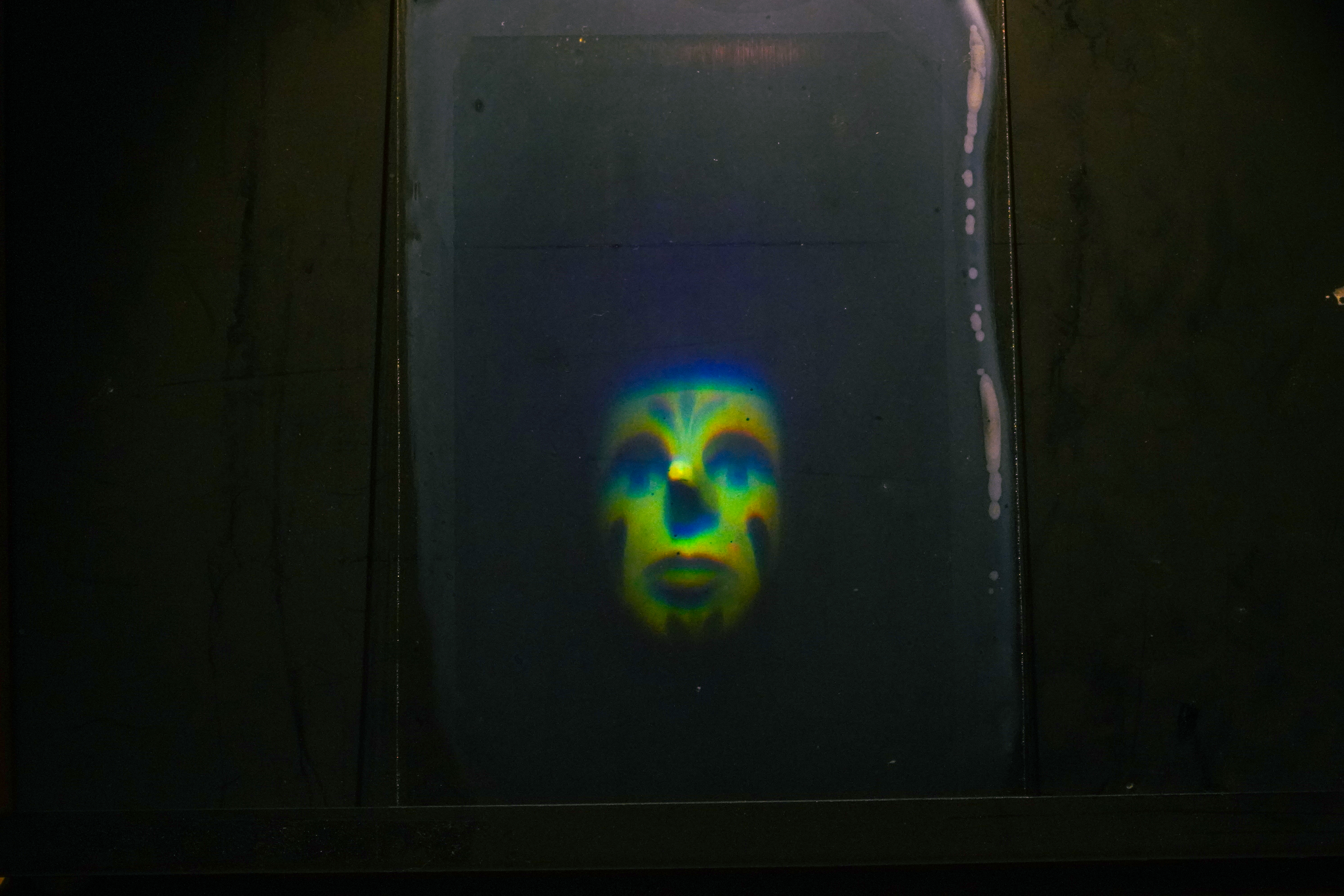
The result is a light-object that triggers an intimate experience: something that is there—yet never fully reveals itself.